What Is Music Production and How Does It Work?
Music production is the complete process of creating, recording, editing, arranging, mixing, and mastering a piece of music. It combines creativity with technology to transform an idea into a professional-quality song.
Solution :
Music production involves:
- Writing or composing music
- Recording vocals and instruments
- Editing audio and MIDI
- Arranging the song
- Mixing all the tracks
- Mastering the final audio for release
Whether you’re producing pop, hip-hop, EDM, film scores, or podcasts, music production is the foundation of modern audio creation.
What Is Music Production?
Music production is both an art and a technical process. It begins with an idea—such as a melody, chord progression, or beat—and ends with a polished recording that is ready to be shared on streaming platforms, social media, film, television, or games.
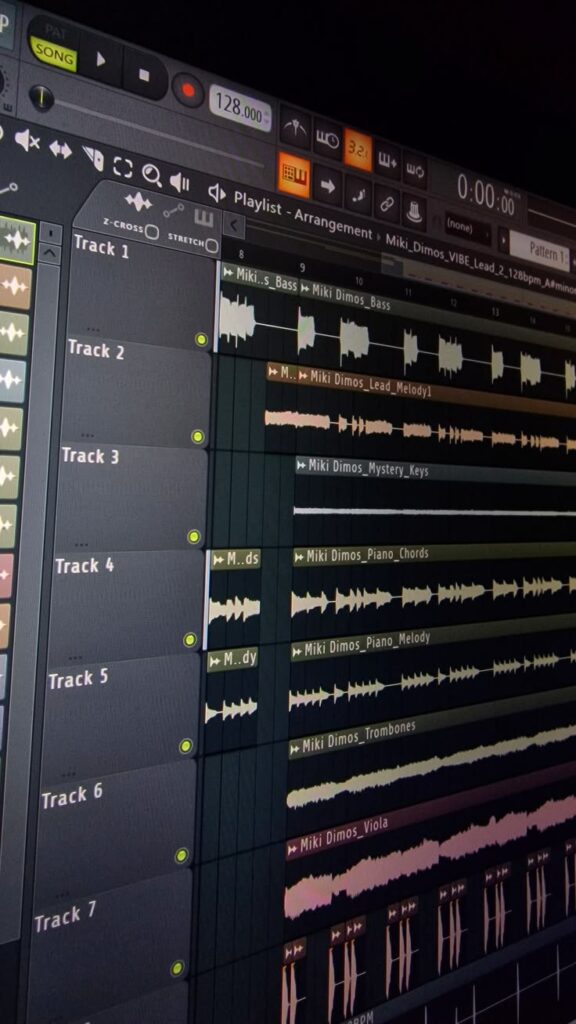
Today’s producers use computers, audio interfaces, microphones, MIDI keyboards, virtual instruments, and Digital Audio Workstations (DAWs) to create professional music from almost anywhere.
Modern music production allows one person to compose, record, edit, mix, and master an entire song without needing a large commercial studio.
Why Is Music Production Important?
Without music production, a musical idea remains unfinished.
Production helps transform raw recordings into songs that sound balanced, emotional, and commercially ready.
Benefits of Music Production
- Improves sound quality
- Organizes musical ideas
- Enhances creativity
- Creates professional recordings
- Makes music ready for streaming platforms
- Opens career opportunities in the audio industry
Professional music production is essential for artists, composers, filmmakers, game developers, podcasters, and content creators.
What Does a Music Producer Do?
A music producer oversees the creative and technical aspects of a project.
Depending on the project, a producer may work with singers, musicians, composers, or independently.
Responsibilities of a Music Producer
Song Development
- Creating melodies
- Writing chord progressions
- Building song structure
Recording
- Recording vocals
- Recording instruments
- Managing recording sessions
Editing
- Cleaning audio
- Correcting timing
- Organizing tracks
Mixing
- Balancing instruments
- Applying EQ
- Compression
- Reverb and delay
Mastering
- Increasing loudness
- Optimizing playback across devices
- Preparing music for release
A producer ensures the final song sounds cohesive and emotionally impactful.
What Are the Main Stages of Music Production?
Understanding the workflow makes learning easier.
1. Songwriting and Composition
Every song begins with an idea.
This may include:
- Melody
- Lyrics
- Chords
- Beat
- Rhythm
Strong songwriting creates the foundation of a great production.
2. Recording
Recording captures performances using microphones, audio interfaces, or MIDI controllers.
Common recordings include:
- Vocals
- Acoustic instruments
- Electric guitars
- MIDI instruments
- Synthesizers
The quality of recording affects every stage that follows.
3. Audio Editing
Editing improves recordings by removing unwanted sounds and correcting mistakes.
Typical editing tasks include:
- Cutting unwanted sections
- Removing noise
- Vocal comping
- Timing correction
- Crossfades
Editing prepares tracks for mixing.
4. Mixing
Mixing combines every element into one balanced song.
During mixing, producers adjust:
- Volume
- EQ
- Compression
- Stereo placement
- Reverb
- Delay
- Automation
A good mix ensures every instrument has its own space.
5. Mastering
Mastering is the final stage before release.
It ensures the music sounds consistent across:
- Headphones
- Smartphones
- Cars
- Home speakers
- Streaming platforms
Mastering also prepares tracks for commercial distribution.
Essential Equipment for Music Production
Starting a home studio doesn’t require expensive gear.
Basic Equipment
Computer
A reliable computer is the heart of your studio.
Digital Audio Workstation (DAW)
Popular DAWs include:
- Ableton Live
- Logic Pro
- Pro Tools
- Cubase
- FL Studio
- Reaper
Audio Interface
Converts analog signals into digital audio.
Studio Headphones or Monitors
Used for accurate monitoring during recording and mixing.
Microphone
Essential for recording vocals and acoustic instruments.
MIDI Keyboard
Useful for composing with virtual instruments.
Essential Skills Every Music Producer Should Learn
Successful producers develop both technical and creative abilities.
Creative Skills
- Music theory
- Arrangement
- Songwriting
- Sound design
Technical Skills
- Recording
- Audio editing
- Mixing
- Mastering
- Signal flow
- DAW workflow
The combination of these skills allows producers to create professional music from start to finish.
Common Mistakes Beginners Should Avoid
Learning from mistakes helps producers improve faster.
Avoid these common issues:
- Buying expensive gear before learning the basics
- Ignoring music theory
- Using too many plugins
- Recording in noisy rooms
- Mixing at high volumes
- Never finishing projects
Focus on improving your skills before upgrading your equipment.
Common Mistakes BeginneCareer Opportunities in Music Productionrs Should Avoid
Music production offers exciting opportunities across multiple industries.
Popular Career Paths
- Music Producer
- Recording Engineer
- Mixing Engineer
- Mastering Engineer
- Sound Designer
- Film Composer
- Game Audio Designer
- Podcast Producer
- Audio Editor
- Live Performance Programmer
As digital media continues to grow, skilled producers are in demand across entertainment, education, advertising, and gaming.
Why Learn Music Production Professionally?
While online tutorials are helpful, professional training provides structured learning and practical experience.
At Mindwork School of Music, students learn:
- Music Production
- Sound Engineering
- Recording Techniques
- Mixing and Mastering
- Film Scoring
- Modular Synthesis
- DAW Workflow
- Studio Best Practices
Hands-on projects and expert guidance help students build confidence and develop industry-ready skills.
Suggested Visuals for Better User Experience
Music producer working in a modern home studio with a computer, MIDI keyboard, audio interface, and studio monitors.
Music Production Workflow
Idea → Songwriting → Recording → Editing → Mixing → Mastering → Distribution
Comparison Chart
| Stage | Main Goal | Common Tools |
|---|---|---|
| Songwriting | Create ideas | Piano, Guitar, MIDI Keyboard |
| Recording | Capture performances | Microphone, Audio Interface |
| Editing | Clean recordings | DAW Editing Tools |
| Mixing | Balance tracks | EQ, Compression, Reverb |
| Mastering | Final polish | Limiter, EQ, Metering |
Frequently Asked Questions (FAQs)
What is music production in simple words?
Music production is the process of creating, recording, editing, mixing, and mastering music to produce a professional-quality song.
Can beginners learn music production?
Yes. With a computer, a DAW, and regular practice, beginners can start producing music from home.
Which software is best for music production?
Popular DAWs include Ableton Live, Logic Pro, FL Studio, Pro Tools, Cubase, and Reaper. The best choice depends on your workflow and musical goals.
Do I need to know music theory?
No, but understanding basic music theory makes it easier to create melodies, chord progressions, and song arrangements.
Is music production a good career?
Yes. Music production offers opportunities in music, film, television, gaming, podcasting, advertising, and online content creation.
What is the difference between music production and sound engineering?
Music production focuses on the creative process of making music, while sound engineering focuses on the technical aspects of recording, editing, mixing, and mastering audio.
How long does it take to learn music production?
Most beginners can understand the fundamentals in 3–6 months with consistent practice. Becoming highly proficient typically requires continued learning and real-world experience.